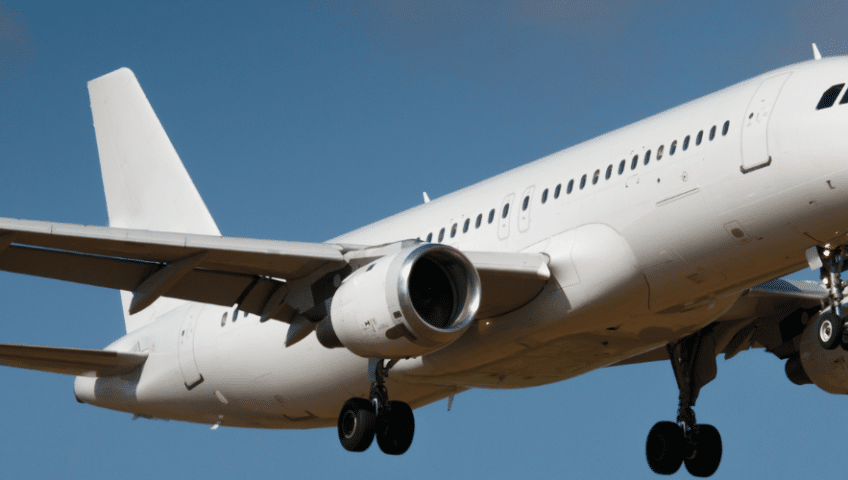
Aviation safety compliance is no longer a static checklist. As new technologies emerge, global airspace becomes more complex, and safety expectations shift, airlines and aviation contractors must stay vigilant to avoid penalties, delays, or operational risks. This guide explains the latest aviation safety regulations, key challenges, and how to stay ahead.
What Are the Current Aviation Safety Compliance Requirements?
The aviation industry is governed by a combination of international, national, and emerging regulations that apply to airlines, ground support operators, and aerospace contractors.
International Standards: ICAO SARPs
The International Civil Aviation Organization (ICAO) defines global safety through its Standards and Recommended Practices (SARPs), which cover:
- Aircraft Operations – pilot training, maintenance, and operational protocols
- Air Traffic Management (ATM) – airspace coordination and traffic safety
- Aerodromes – airport safety, design, and ground operations
- Dangerous Goods – protocols for transporting hazardous materials by air
These standards form the baseline for compliance in most countries.
National Safety Regulations
National aviation authorities implement ICAO standards and expand upon them. For example:
- FAA (U.S.) – Adds rules on security, aircraft noise, emissions, and pilot certifications
- EASA (EU) – Enforces safety and environmental rules across EU member states
- CAA (UK) – Regulates UK airspace safety and aircraft maintenance
Every airline or operator must monitor country-specific rules in their area of operation, as non-compliance can lead to audit failures, grounding, or contract loss.
What Are the Unique Safety Challenges of eVTOL Aircraft?
eVTOL (electric vertical takeoff and landing) aircraft represent a new frontier in urban mobility, but also in compliance.
Key Concerns for Regulators:
- Airspace integration in busy urban corridors
- Battery fire risk and emergency protocols
- Noise pollution and flight altitude control
- Pilot and vehicle certification for electric propulsion systems
Regulatory bodies like the FAA and ICAO are actively developing new safety frameworks. For companies exploring urban air mobility (UAM) fleets, staying informed on pre-release eVTOL standards is critical.
How Can Airlines and Aviation Companies Stay Compliant?
Here are four strategies to stay audit-ready and operationally compliant:
Develop a Culture of Proactive Compliance
- Provide regular training for pilots, cabin crew, maintenance, and ground teams
- Ensure training reflects the latest regulations and safety scenarios
- Involve employees in reporting safety concerns without penalty
Use Technology for Compliance Tracking
- Adopt compliance software to manage training records, document expirations, and reporting workflows
- Use data analytics to identify trends in incidents or near-misses
Work with a Safety Compliance Consultant
- Consultants can audit your current safety programs
- Provide tailored guidance on upcoming rule changes
- Assist with regulatory submissions or third-party platform requirements (like ISNetworld®, Avetta®, or Veriforce® for contractors)
Communicate Internally and Externally
- Encourage employee feedback loops on safety
- Maintain open lines with regulatory authorities
- Document all compliance actions clearly; if it’s not written, it didn’t happen
What is a Safety Compliance Consultant in Aviation?
A safety compliance consultant is a third-party expert who helps you understand and meet aviation safety standards. For aviation firms, consultants can:
- Identify gaps in training, documentation, or emergency protocols
- Create compliant, custom safety manuals
- Monitor ongoing changes in ICAO, FAA, and eVTOL standards
- Save internal teams' time and reduce compliance risk
Quick FAQs: Aviation Safety Compliance
Q: What is ICAO, and why does it matter?
- A: ICAO sets global aviation safety standards. Most national regulations are based on its SARPs, so compliance with ICAO helps ensure global operability.
Q: What are the top safety compliance risks in aviation today?
- A: Lapsed training records, undocumented procedures, and failure to comply with new rules for electric aircraft are rising concerns.
Q: Can a consultant help with ISNetworld® or Avetta® for aviation contractors?
- A: Yes. If you're a subcontractor working in aviation, safety platforms like ISNetworld® or Avetta® may be required by clients. A consultant can help manage those systems.
Need Help with Aviation Safety Compliance?
At Industrial Compliance & Safety, our consultants work with aviation operators to:
- Design audit-ready compliance programs
- Track and renew documentation across fleets and departments
- Stay ahead of evolving standards in emerging tech like eVTOL aircraft
Whether you're a legacy carrier, a regional operator, or a company supporting ground and maintenance operations, we can help your team stay safe, compliant, and ready for takeoff.
Contact us today for a free consultation.
Ready To Get Compliant Today?
Call us or complete the form below!