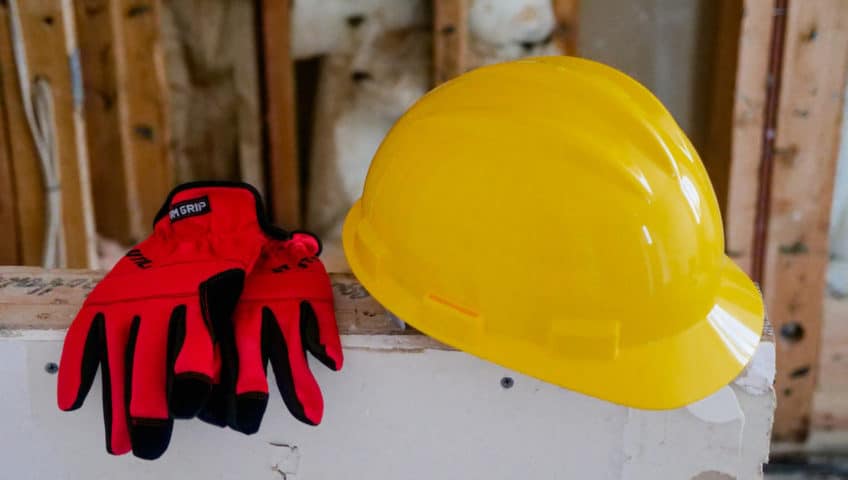

Why You Need Personal Protective Equipment in the Workplace

Compliance Checklist for 2026: What Companies Should Review Before Bidding Season

As Q1 kicks off and new opportunities hit the pipeline, many companies begin preparing for bidding season, and that means revisiting their safety and compliance documentation.

Whether you’re managing a team of subcontractors, overseeing multiple work sites, or handling vendor prequalification, compliance isn’t just a box to check; it’s a business enabler. Strong documentation, active accounts, and current safety programs can be the difference between winning a contract and being disqualified early in the review process.

Before you submit your next bid, here’s what to review to make sure your compliance is up to date and ready for 2026.


Read more

What You Need To Know About Performing Job Safety Analysis

The Hidden Compliance Mistakes Costing Contractors New Work

For many contractors, the hardest part of growing a business isn’t finding the work; it’s getting qualified to do it.

More and more clients are turning to compliance platforms like ISNetworld®, Avetta®, and Veriforce® to manage vendor approvals. These systems are designed to streamline the process, but for contractors unfamiliar with how they work, they often have the opposite effect.

What looks like a simple document upload can quietly become the reason your bid gets overlooked, your account stalls, or your crew can’t mobilize. If you’re missing work you know you’re qualified for, hidden compliance issues could be the reason.

Let’s take a look at the most common mistakes and what you can do to fix them.

Read More

Are General Contractors Responsible for Subcontractor Safety Docs?

It’s a common question and one we hear often from project leads, estimators, and operations teams:

Are general contractors responsible for their subcontractors’ safety documentation?

In most cases, yes, especially when clients require third-party compliance platforms like ISNetworld®, Avetta®, or Veriforce®. While each project or client may vary slightly, general contractors are usually expected to ensure that all subcontractors on a job site meet the same safety and compliance standards.

Here’s why that responsibility matters and what you can do to stay protected.

Read More

Why Contractors Choose Industrial Compliance & Safety Over DIY Platforms

When it comes to meeting safety certification requirements, many contractors start by handling things in-house. At first glance, managing your own ISNetworld®, Avetta®, or Veriforce® profile can seem straightforward:  upload some documents, follow the instructions, and you’re done.

But for most teams, the reality looks very different.

What begins as a simple task often becomes a time-consuming, confusing, and stressful process. That’s why so many contractors partner with Industrial Compliance & Safety to help ensure their success with getting approved, as well as helping them stay compliant and ready for every opportunity that comes next.

Read More

The Benefits of a Veriforce Evaluation & Certification

Do You Need a Safety Consultant If You Already Have a Safety Program?

If your company already has a safety manual in place, it may seem like you have compliance under control. You’ve outlined your safety policies, trained your crew, and made safety a clear part of your operations. So… do you really need outside help?

That’s a fair question, and one we hear often from contractors and small businesses trying to meet client requirements or navigate ISNetworld®, Avetta®, or Veriforce® submissions.

The short answer: your safety manual is a solid foundation, but it’s only one piece of the compliance puzzle. Here’s why that matters.

Read More

Plane flying

Staying Compliant with Evolving Aviation Safety Regulations

Aviation safety compliance is no longer a static checklist. As new technologies emerge, global airspace becomes more complex, and safety expectations shift, airlines and aviation contractors must stay vigilant to avoid penalties, delays, or operational risks. This guide explains the latest aviation safety regulations, key challenges, and how to stay ahead.

Read More

Things To Look for When Hiring Safety Compliance Consultants

Safety Compliance for Pipe Insulators: Hazards, Regulations, and Best Practices

Pipe insulation work involves hazardous materials, confined spaces, and physically demanding tasks. Without strict safety compliance, contractors and employees face serious risks, from injuries and chemical exposure to regulatory penalties. This guide explains why safety compliance matters for pipe insulators, the hazards they face, and the measures employers and workers can take to create a safer work environment. It also covers how platforms like ISNetworld® help streamline compliance and open new business opportunities.

Read More

How To Prepare for and What To Expect From OSHA Inspections

Implications of Non-Compliance with Construction Safety Regulations

Failing to comply with construction safety regulations exposes contractors to fines, legal action, project delays, higher insurance costs, reputational damage, and increased risks of worker injuries or fatalities. This article explains what safety regulation non-compliance means, provides common examples, outlines who sets the rules, describes the consequences of violations, and offers practical steps to stay compliant.

Read More