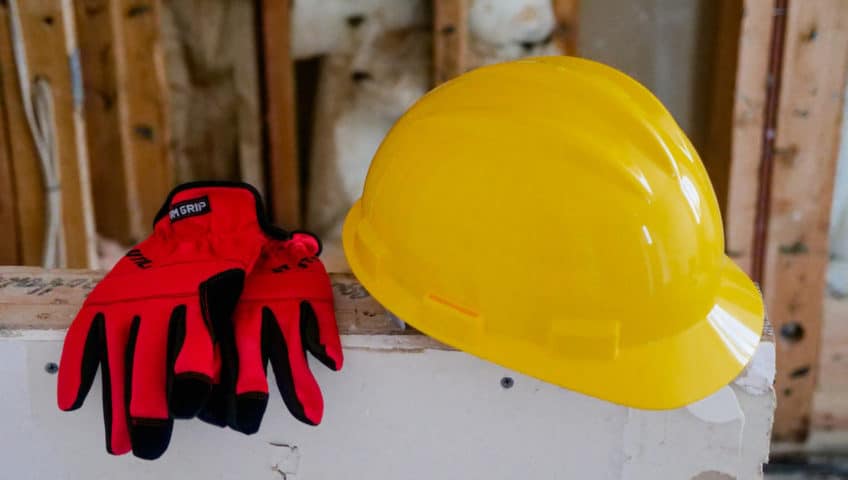
Hard had and gloves on construction site

What Happens After You’re Approved?

For many businesses, getting approved feels like the finish line. The paperwork has been submitted, the reviews are complete, and the hiring client has given the green light to begin work. After weeks of gathering documents and responding to requests, it’s understandable to think the hard part is over.

In reality, contractor prequalification doesn’t end when you’re approved.

Whether you’re working through ISNetworld®, Veriforce®, Avetta®, or another safety certification management platform, approval is only the beginning of an ongoing compliance process. Insurance policies expire, training records need to be updated, safety programs evolve, and hiring clients may request new information throughout the year.

The contractors that stay organized after approval are often the ones who avoid project delays and remain ready for future job opportunities.

Read more

How To Prepare for and What To Expect From OSHA Inspections

Growing Your Business? Your Compliance Process Needs to Grow Too

One of the biggest misconceptions we hear from contractors is that compliance should get easier as the business grows.

In reality, the opposite is usually true.

When you’re working with one or two customers, it’s possible to keep track of insurance certificates, training records, safety programs, and renewal dates without much trouble. As your business starts winning larger projects and working with more operators, that same process can become difficult to manage.

We’ve worked with contractors who reached a point where they were spending more time looking for documents than preparing for the next job. The issue wasn’t a lack of experience or qualifications. Their business had simply outgrown the process they were using to manage compliance.

Read more

5 Common Supply Chain Risks and How To Mitigate Them

4 Tips for Contractor Prequalification

Contractor prequalification usually becomes urgent after a hiring client asks for it. A project is on the table, the work is ready to move forward, and then the contractor is asked to complete requirements through ISNetworld®, Avetta®, Veriforce®, or another contractor management system.

That is when many companies realize the process is more involved than expected. Prequalification is not just about proving that your team can do the work. Hiring clients want to review safety records, insurance, written programs, workforce training, company information, and other documents before approving a contractor for work.

For contractors, the challenge is often not field experience. The challenge is having the right documentation ready, organized, and aligned with the client’s requirements. Here are four practical tips that can help contractors avoid common prequalification delays.

1. Organize Your Core Compliance Documents Before You Need Them

The worst time to start gathering compliance documents is after a client is waiting on approval. Contractors that move through prequalification more smoothly usually have their core documents ready before the request comes in. That does not mean every client will ask for the same information, but it gives your team a stronger starting point.

At minimum, contractors should keep current copies of:

  • safety programs
  • OSHA logs
  • certificates of insurance
  • EMR information
  • workforce training records
  • company policies
  • subcontractor information, if applicable

These documents should also be reviewed for accuracy. An outdated safety manual, expired insurance certificate, or incomplete training record can slow down the entire process. If your team is already digging through old folders, emails, or spreadsheets every time a client asks for documentation, that is usually a sign the process needs more structure. ICS helps contractors organize and align compliance documents before they create approval delays. Contact us today!

2. Do Not Assume One Client’s Approval Covers Every Requirement

A contractor may be approved for one hiring client and still run into problems with another. This happens often with platforms like ISNetworld®, Avetta®, and Veriforce®. Contractors sometimes assume that once their account is active, they are fully approved across the board. In reality, each hiring client may have its own requirements, review standards, and documentation expectations.

One client may ask for additional written programs. Another may require different insurance language. Another may flag training records or ask for more detailed questionnaire responses. That does not mean the contractor did anything wrong. It means prequalification is often client-specific.

This is especially important for contractors working across multiple industries, regions, or job sites. The more clients you serve, the harder it becomes to manage requirements reactively. If your company is taking on more hiring clients and each one has different compliance expectations, ICS can help keep those requirements organized, so your internal team is not starting from scratch every time.

3. Pay Attention to Rejections and Revision Requests

Rejected submissions are frustrating, but they are also useful. A correction request usually points to a gap between what was submitted and what the hiring client or platform expected. The issue may be a missing document, an incomplete response, outdated information, or a written program that does not meet review standards.

The problem is that the feedback is not always clear. A contractor may know that something was rejected but still not understand exactly what needs to change. That can lead to multiple rounds of revisions, lost time, and growing frustration inside the office.

This is common with:

  • RAVS® submissions
  • insurance documents
  • safety programs
  • training records
  • client questionnaires

One revision may be manageable. Several rounds of revisions can quickly delay approval and pull time away from operations. If your team keeps receiving the same types of correction requests, it may be time to have your documentation reviewed before the next submission. ICS helps contractors identify what is missing, inconsistent, or misaligned so approvals can keep moving.

4. Treat Prequalification as an Ongoing Process

Many contractors think of prequalification as something they complete once. That approach can create problems later. After approval, accounts still need maintenance. Insurance expires. Training records change. OSHA information needs to be updated. Clients request revisions. New requirements are added. Platforms may flag deficiencies or renewal items.

When no one is actively monitoring the process, contractors can fall behind without realizing it. That becomes a problem when a new project is ready to start, and the account is no longer current. Prequalification works better when it is treated as part of regular operations rather than a last-minute task. Contractors who stay organized throughout the year are usually better prepared when new opportunities come in.

For growing companies, this is often where internal teams start to feel the strain. Compliance management can become too much for one office manager, safety coordinator, or operations employee to handle on top of everything else.

ICS provides ongoing support for contractor prequalification, platform maintenance, documentation updates, and client-specific requirements so your team can stay focused on the work instead of chasing compliance issues.

Stronger Prequalification Starts With Better Preparation

Contractor prequalification does not have to become a project delay. Most problems come from missing documents, unclear requirements, expired records, or repeated revision cycles that could have been addressed earlier.

The contractors that handle prequalification best are not always the largest companies. They are usually the companies with organized documentation, clear processes, and support in place before the deadline becomes urgent.

If your team is struggling with ISNetworld®, Avetta®, Veriforce®,  rejected documents, or ongoing account maintenance, ICS can help simplify the process and keep your approvals moving forward. Contact us today! 


5 Common Supply Chain Risks and How To Mitigate Them

What Oil and Gas Operators Look for During Contractor Prequalification

When a contractor receives an invitation to prequalify with an oil and gas operator, the first assumption is often that the process is all about safety statistics. While safety performance matters, that is only one part of the picture.

Operators are trying to determine whether a contractor can consistently meet their requirements, maintain proper documentation, and operate without creating unnecessary risk. The review process is designed to help operators make informed decisions before granting site access, approving vendors, or awarding work.

That is why two contractors with similar experience and safety records can have very different prequalification outcomes. Often, the difference comes down to preparation.

Operators Are Looking for More Than a Safety Manual

Many contractors focus on submitting the documents they were asked for and assume that is enough. The reality is that operators are evaluating the quality, consistency, and completeness of the information they receive. A contractor may have an excellent reputation in the field, but if documentation is incomplete or inconsistent, questions start to emerge during the review process.

For example, operators may compare:

  • safety programs
  • insurance records
  • OSHA information
  • training documentation
  • workforce qualifications
  • incident history
  • subcontractor information

They are looking for alignment across all of these records. When information conflicts, documents are outdated, or required details are missing, the review process often slows down. This is one of the most common reasons contractors experience delays.

If your company is spending weeks responding to correction requests or document revisions, it may be a sign that your compliance process needs stronger structure before the next operator invitation arrives.

Documentation Tells Operators How Organized a Contractor Is

One of the biggest misconceptions about contractor prequalification is that operators are only evaluating safety performance. In reality, documentation often reflects how a company manages its operations.

When records are organized and current, it suggests the contractor has established processes and oversight in place. When records are difficult to verify, incomplete, or repeatedly require revisions, operators may question whether similar gaps exist elsewhere in the business.

That does not mean the contractor is unsafe. It means the operator has less confidence in the information being presented. This becomes especially important when contractors are working in high-risk environments where operators need confidence that requirements will be met consistently.

Workforce Qualifications Receive Significant Attention

Operators are increasingly focused on workforce readiness. They want to know that employees have received the training required for the work being performed and that those records can be verified.

Depending on the project, operators may review:

  • H2S training
  • OSHA training
  • Veriforce orientation records
  • site-specific training
  • driver qualifications
  • equipment certifications
  • trade-specific credentials

The challenge for many contractors is not training itself. The challenge is keeping workforce records current and organized as crews grow, turnover occurs, and projects expand across multiple operators. This is where administrative issues often start affecting approvals.

Many contractors don’t seek compliance support until workforce documentation becomes difficult to manage internally. By that point, onboarding delays are often already impacting projects.

Operators Pay Close Attention to Insurance and Risk Transfer

Insurance documentation is another area where contractors frequently encounter problems. Operators review insurance information carefully because it plays a key role in risk management.

Even relatively small issues can trigger delays, including:

  • expired certificates
  • incorrect policy language
  • insufficient limits
  • missing endorsements
  • inconsistencies between submitted records

Contractors are often surprised by how much scrutiny insurance documents receive. From the operator’s perspective, however, insurance verification is just as important as many safety-related requirements. A contractor may be fully qualified for the work, but approval can still be delayed if insurance requirements have not been met.

Contractor Management Platforms Have Changed the Process

Platforms such as ISNetworld®, Avetta®, and Veriforce® have made contractor prequalification more structured, but they have also introduced new administrative challenges. Today, operators expect contractors to maintain current records, respond to deficiencies, update documentation, and monitor ongoing compliance requirements. Getting approved is only part of the process. Staying compliant has become equally important.

Contractors who treat platform management as a one-time task often find themselves dealing with:

  • expired documentation
  • missed renewals
  • inactive accounts
  • client requests
  • corrective action requirements

Over time, these issues can affect vendor status and future opportunities.

If managing multiple platforms is pulling time away from operations, it may be worth evaluating whether dedicated compliance support could help reduce the burden on your internal team.

Operators Want Contractors Who Are Easy to Work With

This is rarely stated directly, but it is an important part of the review process. Operators value contractors who respond quickly, maintain current documentation, and can provide information when requested. The easier it is for an operator to verify qualifications, the easier it becomes to move the approval process forward. Contractors that consistently stay ahead of documentation requirements often experience fewer delays and less friction during onboarding. That becomes increasingly important as operators continue raising expectations around contractor oversight and vendor management.

Strong Prequalification Starts Before the Invitation Arrives

Many contractors view prequalification as something that begins when an operator sends an invitation. In reality, the companies that move through the process most efficiently have usually been preparing long before that invitation arrives. Their safety programs are current. Their workforce records are organized. Their insurance documentation is ready. Their platform accounts are actively maintained. That preparation allows them to focus on the opportunity instead of scrambling to find missing information.

ICS helps oil and gas contractors manage ISNetworld®, Avetta®, Veriforce®, workforce documentation, RAVS® submissions, account maintenance, and ongoing compliance requirements. Whether you’re responding to a new operator invitation or trying to reduce delays during onboarding, having the right compliance process in place can make a significant difference.

If your team is spending too much time chasing documents, responding to revisions, or managing multiple compliance platforms, ICS can help simplify the process and keep approvals moving forward.

Construction Industry

Getting Started with ISNetworld®

For many contractors, the first experience with ISNetworld® happens after a client says approval is required before work can begin.

At that point, companies are often trying to balance active projects, staffing, scheduling, and client deadlines while also figuring out an unfamiliar compliance platform with detailed documentation requirements and strict review standards.

That is where the process starts becoming frustrating.

Most contractors are fully capable of performing the work itself. The challenge is understanding how to structure, submit, and maintain documentation to meet ISNetworld® requirements and satisfy individual hiring clients.

The platform is designed to help hiring companies evaluate contractor risk, verify compliance information, and standardize vendor approval processes. For contractors, however, the process can quickly become time-consuming if submissions are incomplete, inconsistent, or repeatedly rejected for revisions.

Understanding what ISNetworld® is actually evaluating can make the onboarding process significantly easier.

What Is ISNetworld®?

ISNetworld® is a contractor management and prequalification platform used by hiring clients across industries, including:

  • manufacturing
  • construction
  • oil and gas
  • utilities
  • transportation
  • telecom
  • industrial services

Hiring companies use the platform to review contractor documentation before granting site access or approving vendors for work.

Depending on the client, contractors may be required to submit:

  • written safety programs
  • OSHA logs
  • EMR information
  • insurance documentation
  • training records
  • company policies
  • subcontractor information
  • RAVS® submissions
  • client-specific documentation

The goal for hiring clients is consistency and risk management. The challenge for contractors is that each hiring client may enforce slightly different review expectations even when using the same platform.

Are you a contractor for a company that just signed on with ISNetworld? Read our blog “What to Do If You’re a Contractor for a Company That Just Signed with ISNetworld®” on what specific steps you need to complete to stay compliant. 

Why Contractors Often Struggle During Initial Setup

Many contractors assume getting started with ISNetworld® will be a relatively simple registration process.

In reality, the platform often becomes an ongoing documentation management system that requires:

  • detailed submissions
  • document revisions
  • continuous updates
  • renewal tracking
  • client-specific corrections
  • ongoing maintenance

One of the biggest issues contractors face is incomplete preparation before uploading documents.

For example, companies may submit:

  • outdated safety programs
  • insurance certificates that do not match requirements
  • incomplete OSHA information
  • unsigned policies
  • inconsistent company information
  • training documentation is missing required details

That often leads to revision requests and approval delays. In some cases, contractors become stuck in repeated review cycles without fully understanding why documents continue getting flagged. If your team is already stretched thin managing operations and project timelines, those delays can quickly become disruptive.

Understanding RAVS® and Why They Matter

One of the most confusing parts of ISNetworld® for many contractors is the RAVS® process.

RAVS® stands for Review and Verification Services. These are evaluations of a contractor’s written safety programs to determine whether they align with specific safety and client requirements.

Hiring clients may require contractors to submit programs related to:

  • fall protection
  • confined space entry
  • lockout/tagout
  • hazard communication
  • respiratory protection
  • electrical safety
  • excavation
  • hot work

A common misconception is that simply having a safety manual is enough.

In reality, RAVS® reviewers are looking for:

  • topic-specific detail
  • policy completeness
  • proper structure
  • required elements
  • alignment between programs and submitted data

This is one of the areas where contractors frequently experience rejections or prolonged review periods.

Repeated revisions often happen because documentation is technically incomplete rather than operationally unsafe.

Industrial Compliance and Safety helps contractors review and align written safety programs before submission to reduce revision cycles and improve approval timelines.

Why Do Approval Delays Happen?

Most ISNetworld® delays are not caused by a single major problem.

Instead, delays usually come from multiple smaller issues building on each other, including:

  • missing documentation
  • expired insurance
  • inconsistent company information
  • incomplete RAVS® submissions
  • outdated OSHA records
  • unanswered corrective actions
  • missed client requests
  • renewal lapses

For contractors managing multiple hiring clients, these issues can become difficult to track consistently.

That is especially true when compliance responsibilities are added onto existing operational roles, like:

  • office management
  • project coordination
  • HR administration
  • safety coordination
  • operations support

Eventually, the process becomes reactive instead of organized.

That is often the point where contractors start looking for outside compliance support.

Being a first-time contractor can be a struggle. Learn about navigating the system in our blog “How First-Time Contractors Can Navigate ISNetworld® Without Getting Overwhelmed“.

ISNetworld® Is Not a One-Time Process

One of the biggest surprises for contractors is realizing that approval is only the beginning.

Most accounts require ongoing maintenance throughout the year, including:

  • insurance updates
  • annual OSHA submissions
  • revised safety documentation
  • training updates
  • client-requested changes
  • corrective action responses

As contractors grow and begin working with additional hiring clients, the administrative workload often increases significantly.

A company that originally joined ISNetworld® for one client may eventually need to manage multiple client requirements, multiple revisions, and ongoing compliance updates across active projects.

Without a structured process, that workload can become difficult to maintain consistently.

Contractors That Stay Organized Typically Experience Fewer Delays

Contractors that approach ISNetworld® proactively are generally better positioned to:

  • complete onboarding faster
  • reduce revision requests
  • maintain active vendor status
  • avoid project delays
  • respond to client requests more efficiently

The companies that struggle most are usually not inexperienced contractors. More often, they are companies trying to manage growing compliance demands without enough internal time or administrative structure.

Industrial Compliance and Safety helps contractors manage ISNetworld® onboarding, RAVS® submissions, documentation alignment, account maintenance, and ongoing compliance support, so internal teams can stay focused on operations rather than chasing revisions and renewal deadlines.

If your company is getting started with ISNetworld® or struggling to keep up with ongoing platform requirements, Industrial Compliance and Safety can help simplify the process and reduce approval delays before they impact projects or vendor status. Contact us today to get started.


5 Common Supply Chain Risks and How To Mitigate Them

How First-Time Contractors Can Navigate ISNetworld® Without Getting Overwhelmed

If you’ve recently been asked by a client to get set up on ISNetworld®, you might be wondering: “Where do I even start?”

For first-time contractors, ISNetworld® can feel like a confusing maze of safety documents, questionnaires, and unfamiliar acronyms. And while the platform is designed to standardize contractor compliance, it’s not always easy to understand what’s expected, especially when you’re trying to run your business at the same time.

Here’s a step-by-step guide to help you navigate ISNetworld® confidently and avoid common missteps.

Read more

Why You Need Personal Protective Equipment in the Workplace

Compliance Checklist for 2026: What Companies Should Review Before Bidding Season

As Q1 kicks off and new opportunities hit the pipeline, many companies begin preparing for bidding season, and that means revisiting their safety and compliance documentation.

Whether you’re managing a team of subcontractors, overseeing multiple work sites, or handling vendor prequalification, compliance isn’t just a box to check; it’s a business enabler. Strong documentation, active accounts, and current safety programs can be the difference between winning a contract and being disqualified early in the review process.

Before you submit your next bid, here’s what to review to make sure your compliance is up to date and ready for 2026.

Read more

What Changed in ISNetworld®, Avetta®, or Veriforce® Over the Past Year?

Each year, contractor management platforms like ISNetworld®, Avetta®, and Veriforce® evolve, often behind the scenes. While some updates are subtle, others can have a direct impact on your score, account visibility, or vendor eligibility.

Unfortunately, these platforms don’t always announce changes publicly. Instead, updates are typically rolled out through internal portals, client-specific communications, or subtle shifts in document review processes.

If your team hasn’t reviewed its compliance strategy recently, now is the time. Here’s what to know, and how to stay prepared.

Read more

What is ISNetworld®?

Ultimate Guide to ISNetworld®

Getting certified with ISNetworld® might seem like a tricky road, but don’t worry – we’ve got your back! This guide will help you understand the whole process, step by step. Whether you’re just starting or trying to make your certification even better, this guide is here to help.

Read more

4 Key Reasons You Need an ISN Certification

Is ISNetworld® Certification Worth It for Small Contractors?

For many small contractors, the idea of becoming ISNetworld® certified can feel overwhelming. Between the fees, documentation, and time commitment, it’s natural to ask: Is it worth it?

The answer depends on your business goals, your client base, and whether you’re positioned to benefit from the access ISNetworld® provides. In this article, we’ll break down the true cost of certification and the value small contractors stand to gain.

Read more